
As I discussed in the last article, moving to northern Portugal has been quite the shock to the system, but I’m slowly starting to settle in. I’ve been here less than a month, so I don’t have all the answers. That being said, we’re doing our best to learn as much as we can, as quickly as we can. I hope you enjoy what we’ve found out (so far)!
What has been the hardest part of living in Portugal? What’s been a bright spot?
Two things have stood out to me as challenging. To start off, our house is old–comparatively. I thought growing up in a house built in 1881 was cool. Younger-me would have been ecstatic to know I would get to live in a house just as old as the USA! Various parts of the house were built in the late 1700’s, rebuilt in 1861, and terraced in 1958. I know this because dates are engraved in the stones or cement. Anyway, it’s old. And it’s cold. Who knew stone retains the spring chill long into the day? And somehow my two cardigans got packed in the wrong suitcases and didn’t make it on the flight with us. I had a chilly first week! But we’re getting the hang of how to heat the place, and space heaters are quite helpful as well.
As silly as it seems, I miss big craft stores! I’m an avid crocheter and I had to leave most of my yarn in the States. There is one small sewing shop in Viana do Castelo that also sells yarn, but there isn’t a lot of variety or color. There’s a bigger yarn store in Porto, but that’s an hour away and we don’t yet have a car.
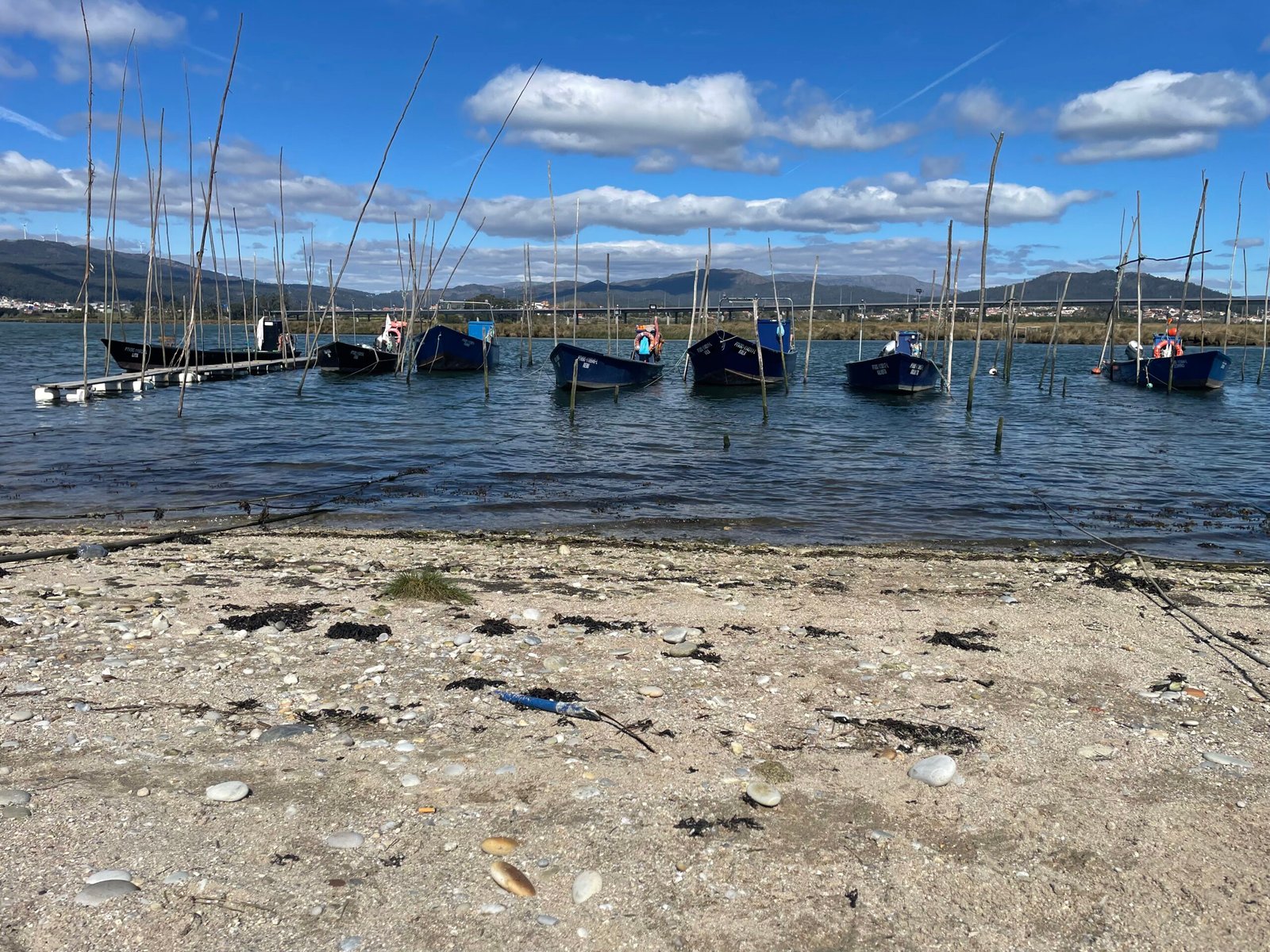
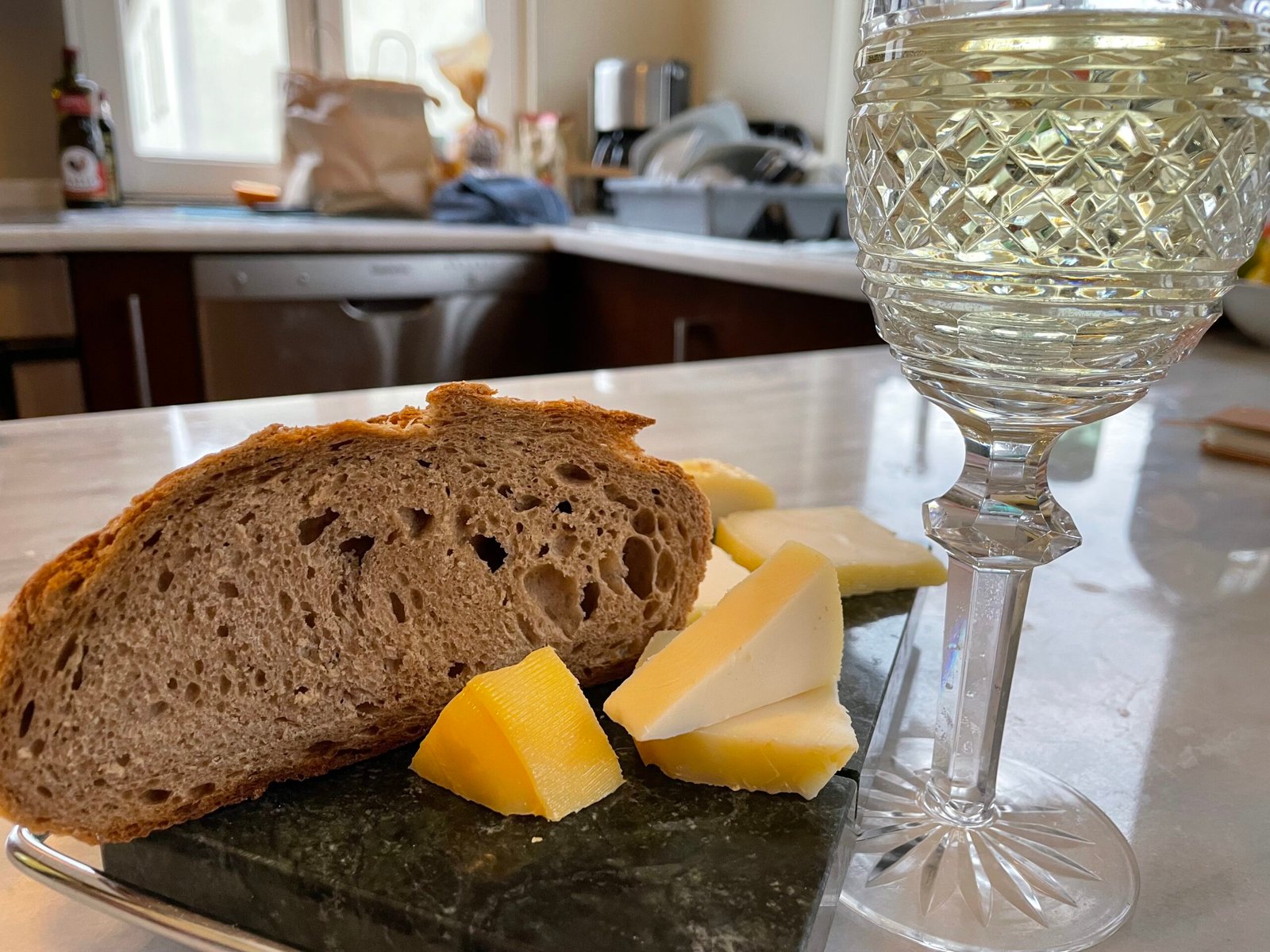
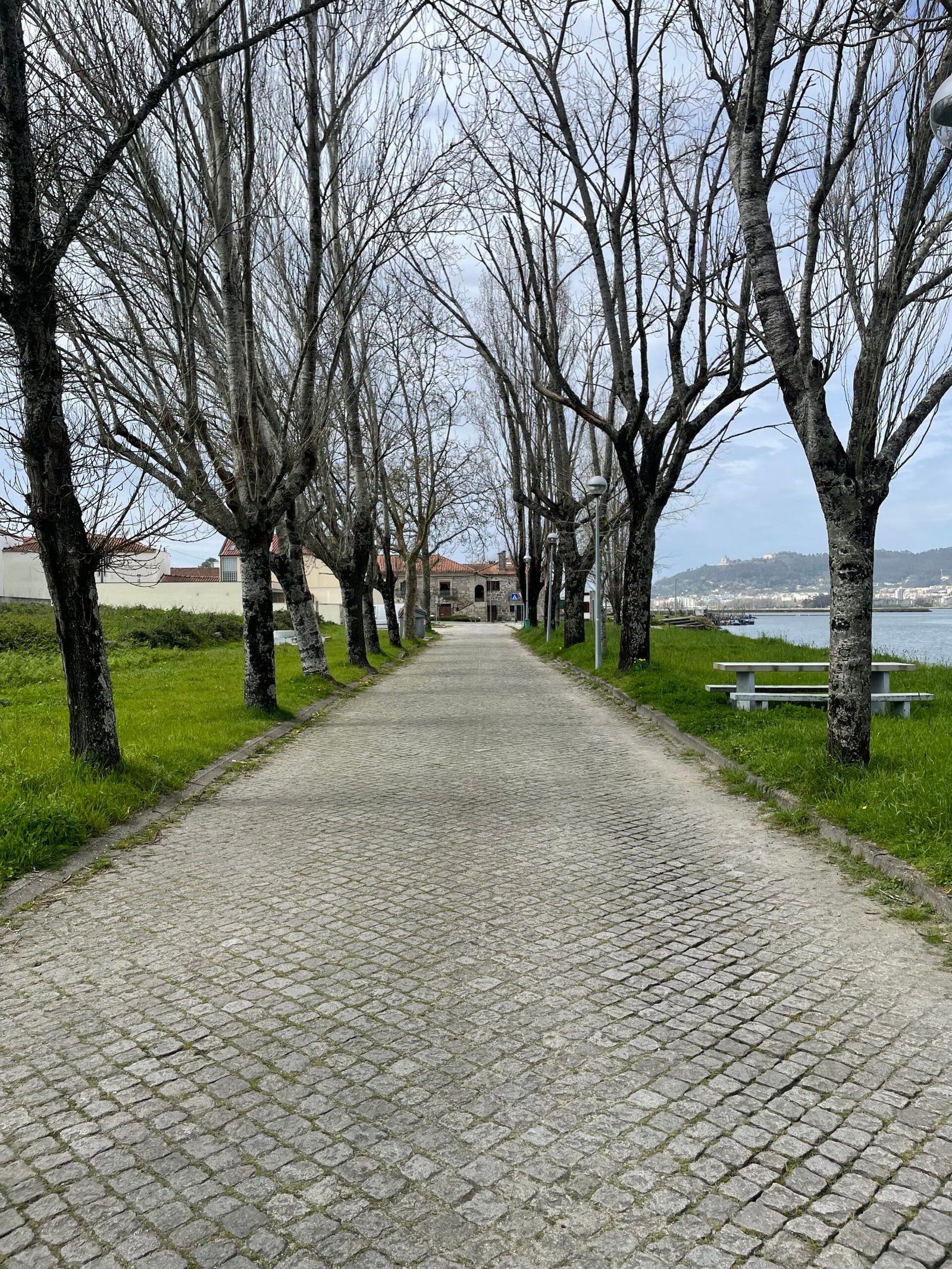
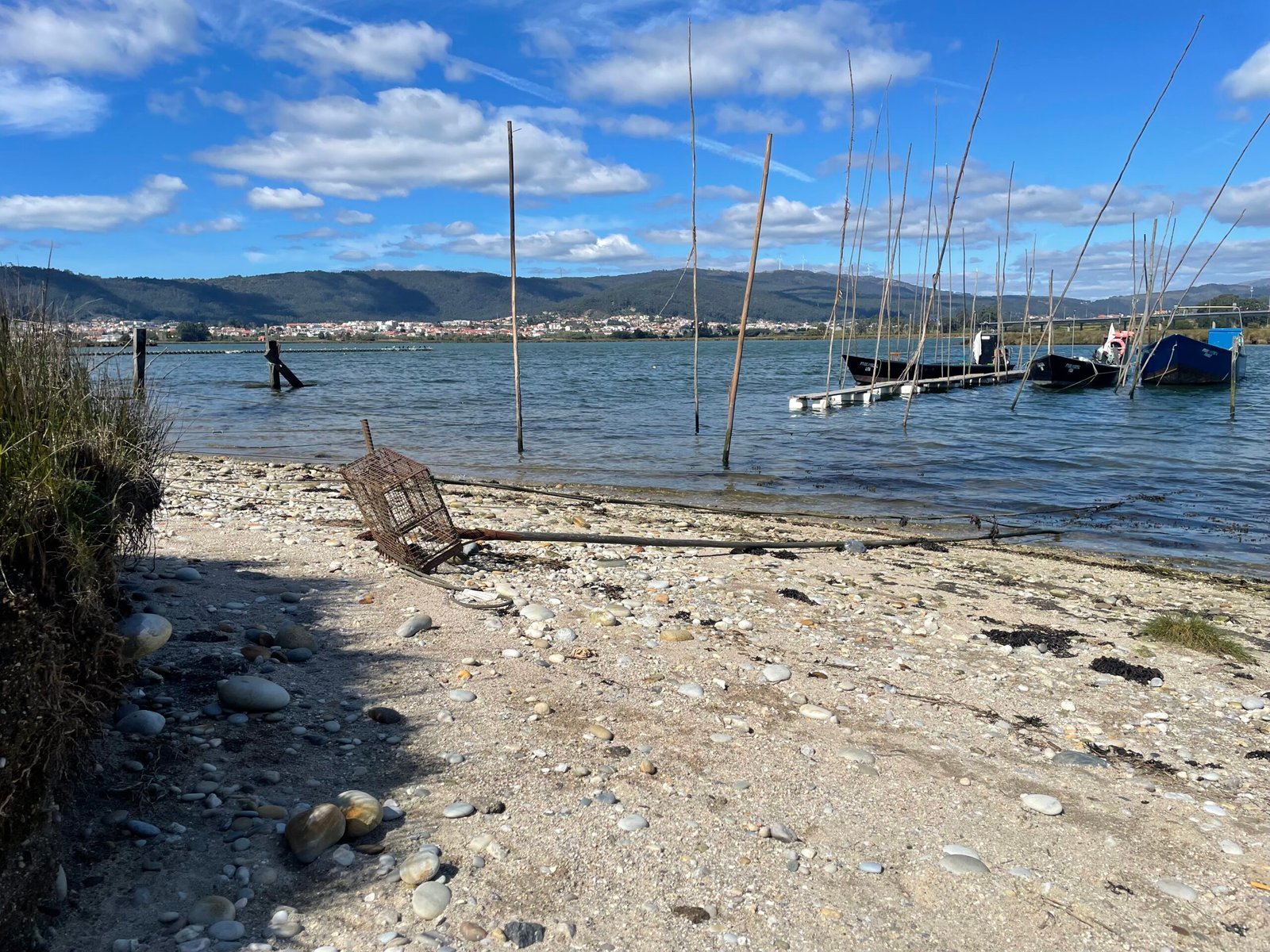
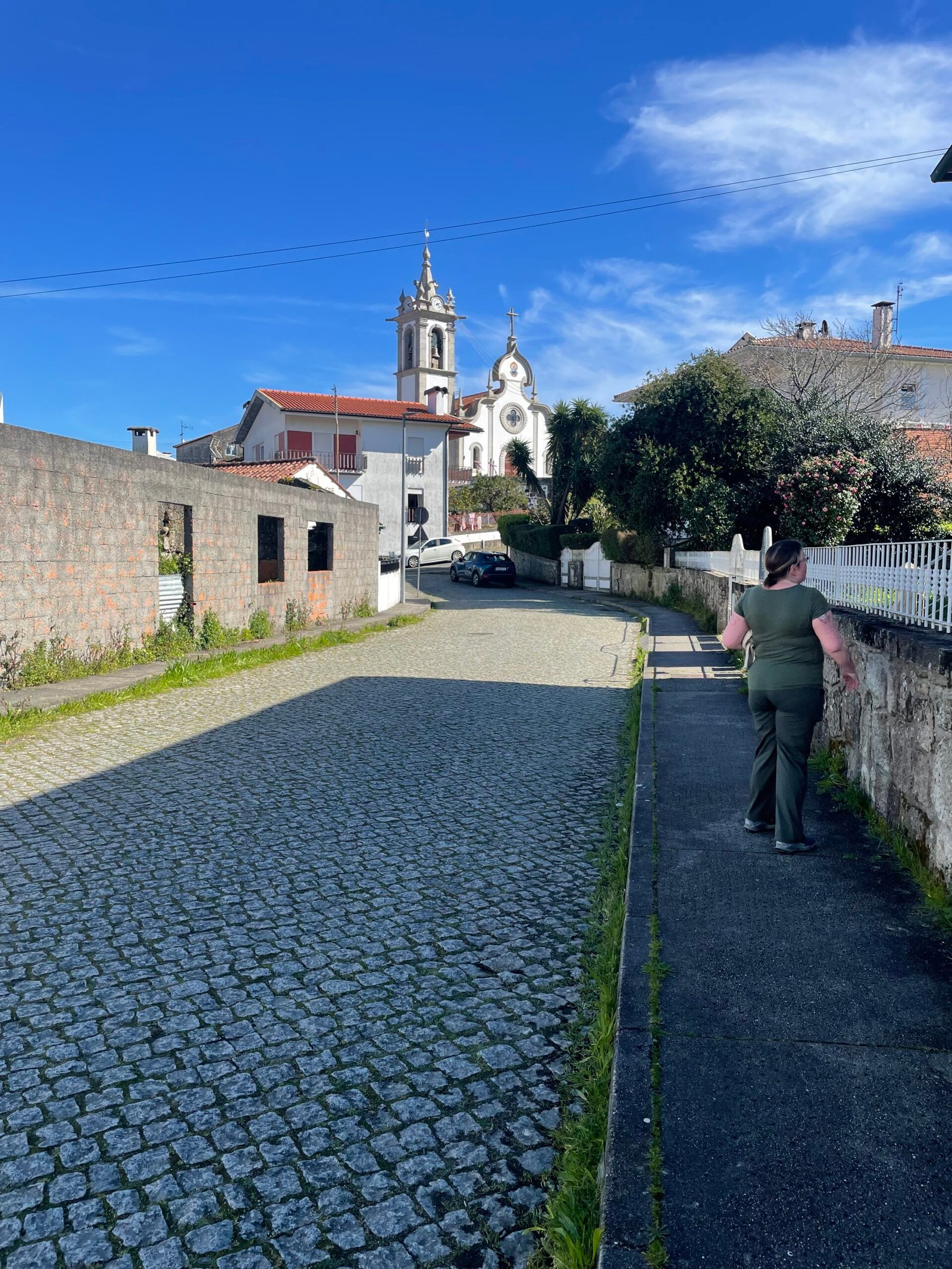
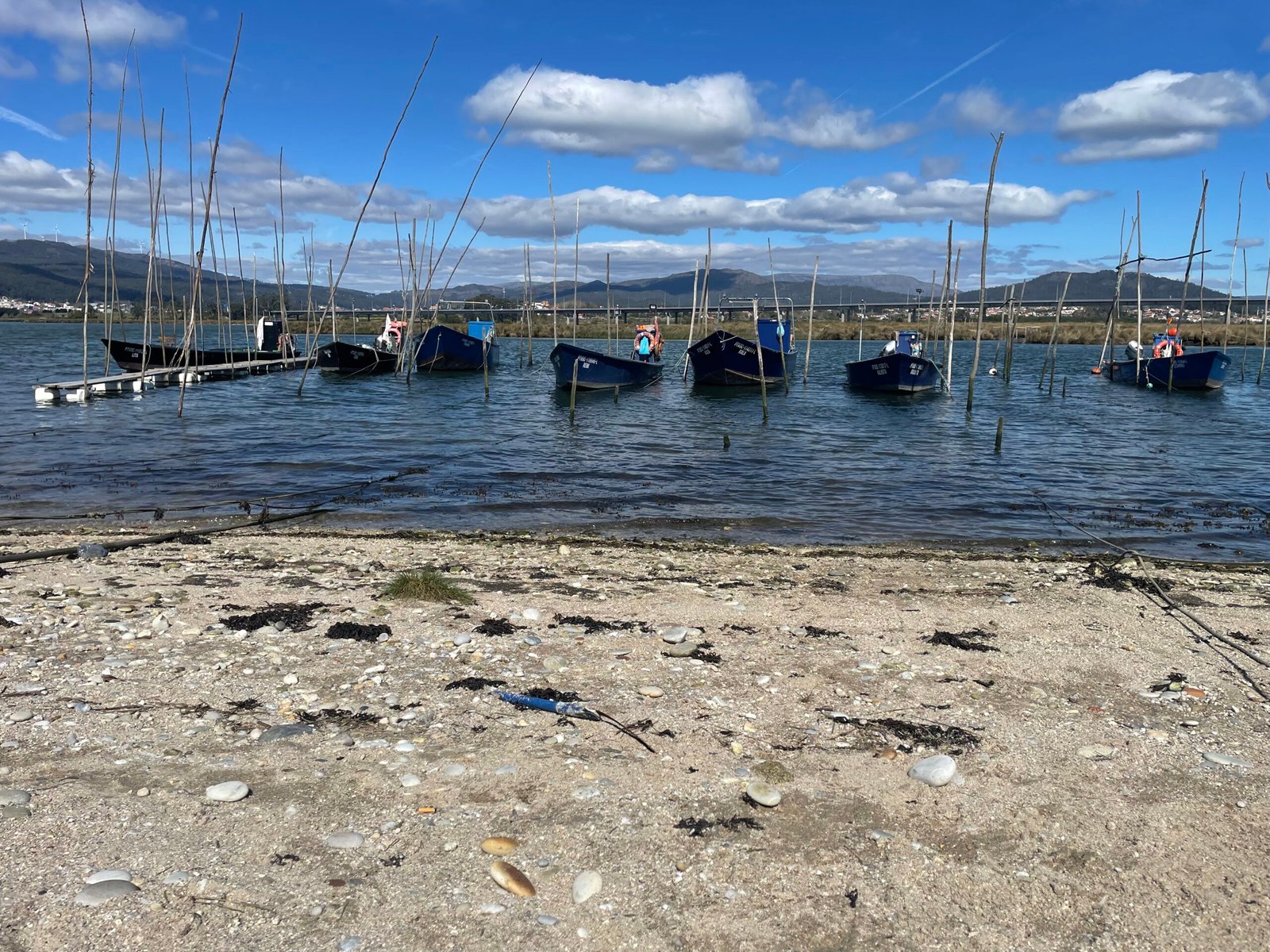
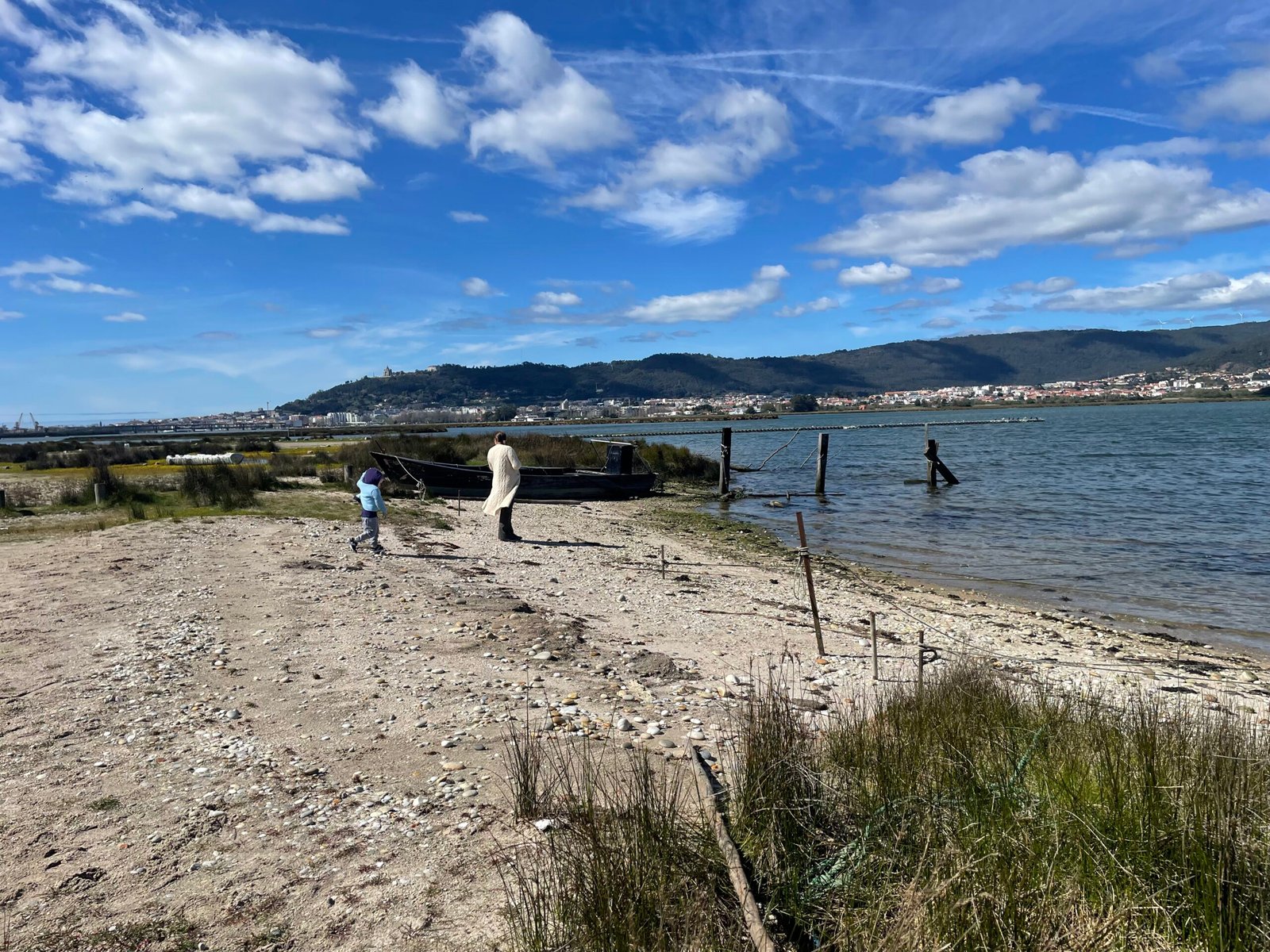
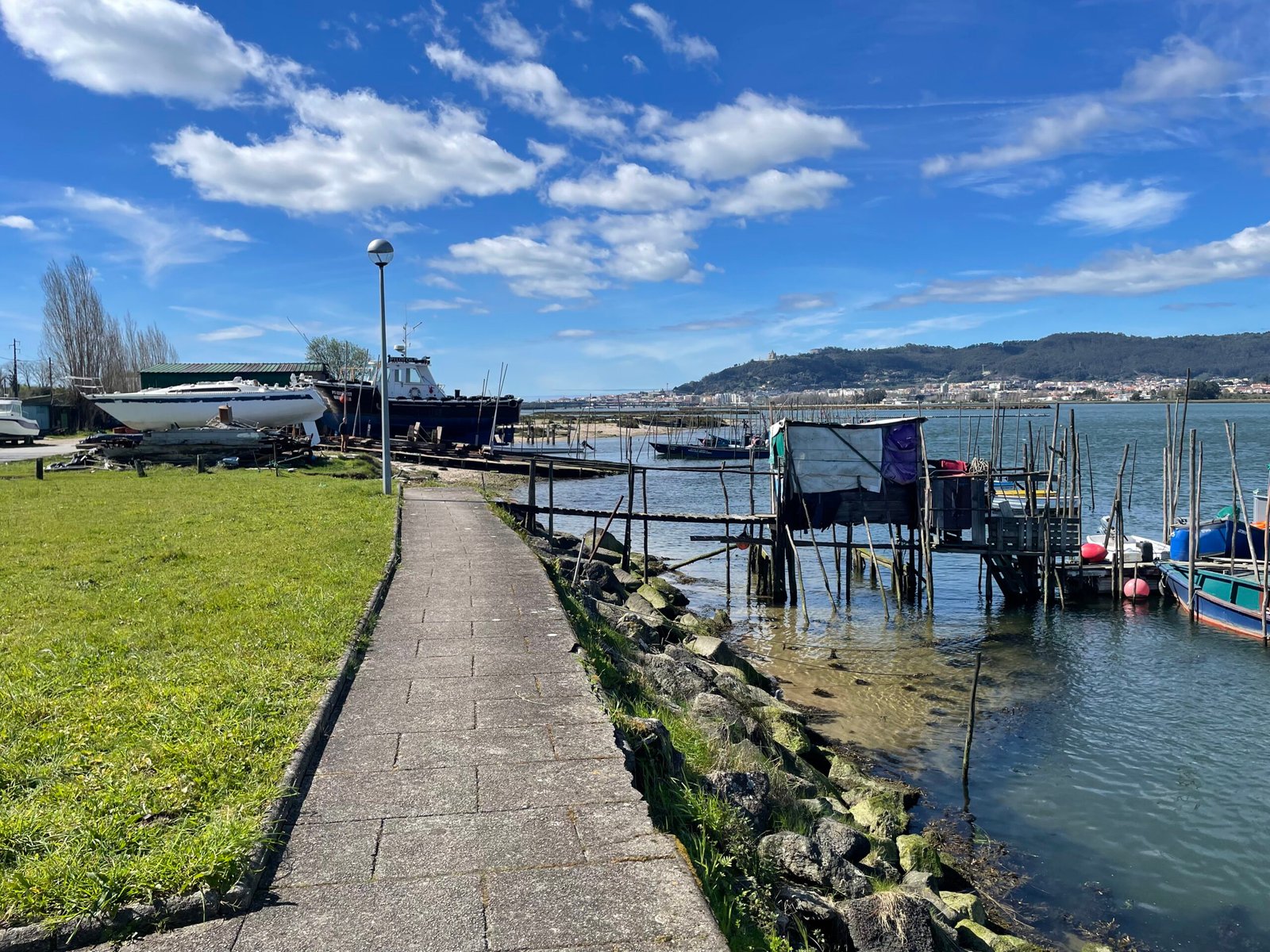
All that being said, there are so many bright spots that I couldn’t count them! Getting to sip my coffee while staring at the river Limia snaking beneath the ridges of the mountains is a pretty big one. Getting to dash next door to buy freshly-baked bread is another. Hearing the church bells tolling the hours still brings a smile to my face. Hearing T say, “I love it, Mom!” about something new he discovers outside in the courtyard makes me feel warm inside. And being able to walk to a local spot where they make wood-fired pizza, and then stroll by the broad banks of the river while watching the distant red roofs of the town is pretty grand too! Nothing is done in a hurry here, which suits me down to the ground.
How long did it take to get your visa?
Just keep in mind, I’m not an expert in emigrating to Portugal! I can only talk about our experience and what I’ve heard from others. But it took us–start to finish–sixteen months. Now, we DID have a lot go wrong that delayed paperwork and answers by months, but the wait times for visas are getting longer and longer as more people look at options of leaving the USA.
If someone is moving to Portugal, when should they rent a house or apartment?
Quite a few people are asking this question! And it’s not an easy answer. We knew we wanted to rent a house. A few weeks before our appointment to submit our paperwork to the Portuguese Consulate in San Francisco, Jack and his father went on a scouting trip of a week. Along with a company guide, and with the help of a realtor, they viewed about six rental properties within budget. We ended up renting the very first one they looked at! But we did have to have a rental home for the paperwork. The Portuguese authorities want to be sure that, once someone arrives, they have an assured place to stay for at least a year. Makes sense. It was a bit unfortunate that we had to pay rent on a place that we weren’t able to move into for six months, but there aren’t a lot of other legal options. I would definitely talk to a lawyer (as we did) about options before coming, though!
What relocation company did you use? Would you recommend them?
We hired Portugal The Place (PTP), a relocation company that has helped thousands of Americans emigrate to Portugal. We had a really good experience with them! It was easy to set up Zoom meetings to chat about our concerns and strategize our decisions. They put us in touch with realtors, lawyers, and local moving companies to make our trip much smoother. I would definitely recommend them for anyone who’s interested in relocating to Portugal.
How is day-to-day life similar to what it’s like to live in the US? How is it different?
It’s hard to say how day-to-day life is going to be a month from now, as we’re still tying off various threads of our life in the States. The main differences, though, are laundry and exercise. Since most people don’t have a dryer here, we’ve joined the thousands around us who hang up our washing to dry. I honestly don’t mind it! What I do mind, though, is having to constantly check the weather to gauge whether I can dry clothes or not.
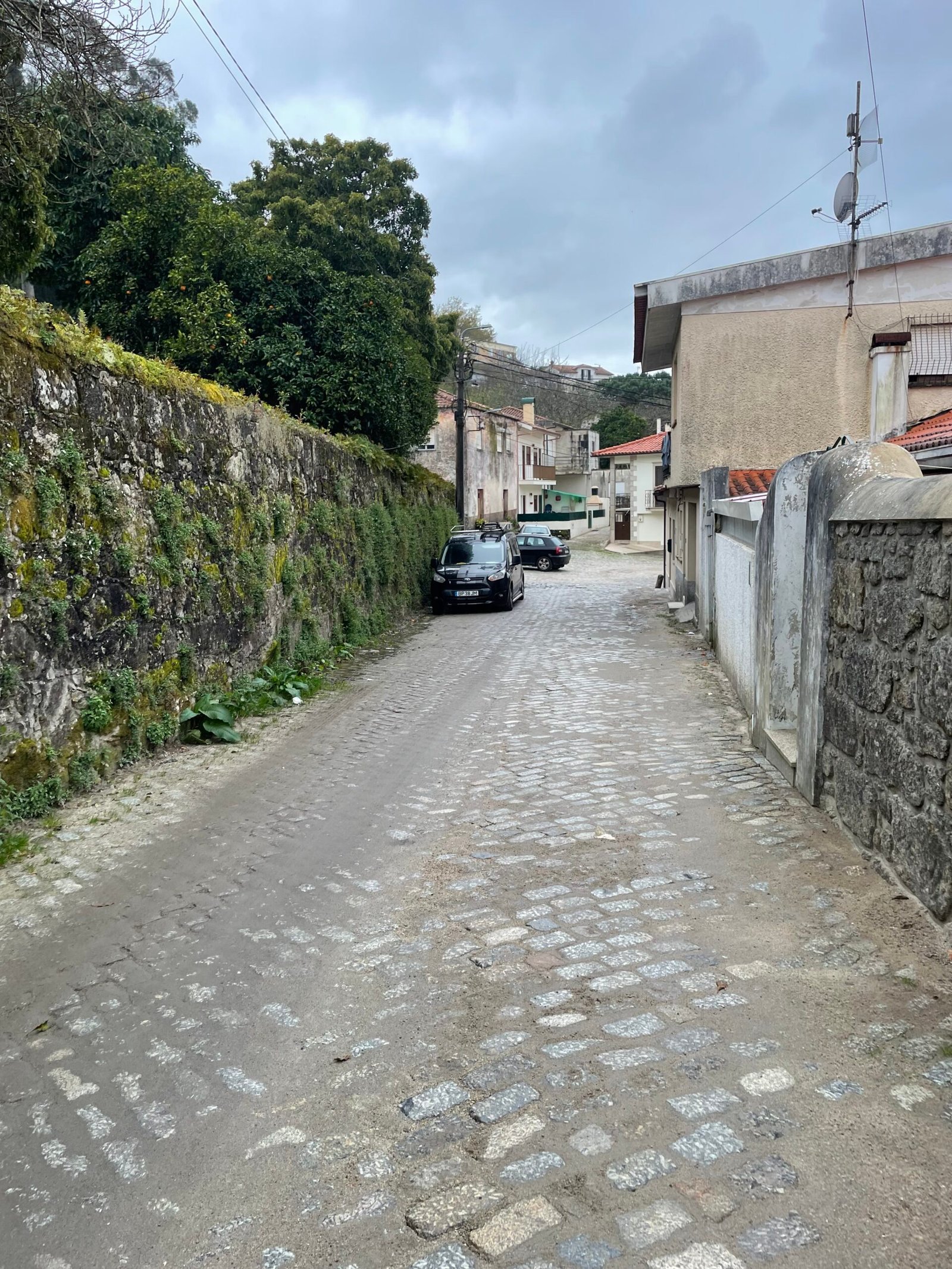
We also walk a lot more than we did in the States. We walk to the stores, playground, river, and post office. My average steps per day have doubled! This might change once we buy a car, though.
Are there any differences in the home itself compared to American homes?
One thing we’ve noticed (and something that seems to be somewhat common across Portugal and possibly Europe) is a difference in bed sizes. Beds are generally a bit smaller in order to fit in very uncompromising older rooms. We were discouraged from bringing our bed frames from home because they probably wouldn’t be a good fit in bedrooms. A queen mattress here seems to be a couple inches smaller than a queen mattress in the States.
Obviously, another huge difference is the European electrical outlets. There is more power per outlet than in the States, so we couldn’t bring any kitchen appliances that operated at a lower wattage. A house fire is just not something we’re interested in starting.
How has the language barrier been for you? Do many people speak English?
One thing that’s really important for us, in the long run, is to learn Portuguese. A very common complaint about Americans (that we’ve read from various Portuguese sources) is that a lot of immigrants to Portugal aren’t interested in learning Portuguese. According to Historical XXIII Government – Portuguese Republic, Portuguese is spoken globally by about 260,000,000 people, and is the fifth most common language used on the internet. I think it’s a really beautiful language!
We have a language tutor and online lessons, and the bakery near us is a great place to try out our limited Portuguese language skills! That being said, quite a few people around us speak a little English–enough to order a croissant or ask for a beer. Younger Gen-Z folks seem to be more fluent in general, as English is now taught in public schools from the 3rd grade and up (though it seems that some schools offer it even earlier). Of course, there’s Google Translate, but it has its limits. For example, GT consistently translates francisinha, a Portuguese smothered sandwich, as ‘French Girls’. A menu item yesterday was translated ‘Cow with drunken vegetables’. (I should start a notebook with memorable mistranslations!)
People around us really seem to enjoy our attempts at Portuguese and help us out with our pronunciation when we’re really off. The general sentiment seems to be ‘Hey, at least you’re trying!’ I really appreciate their easy-going attitude about our clumsy attempts. If you’re interested in hearing Portuguese (or learning a few phrases!), check out the video below.
What is traditional Portuguese food like? Do your kids enjoy it?
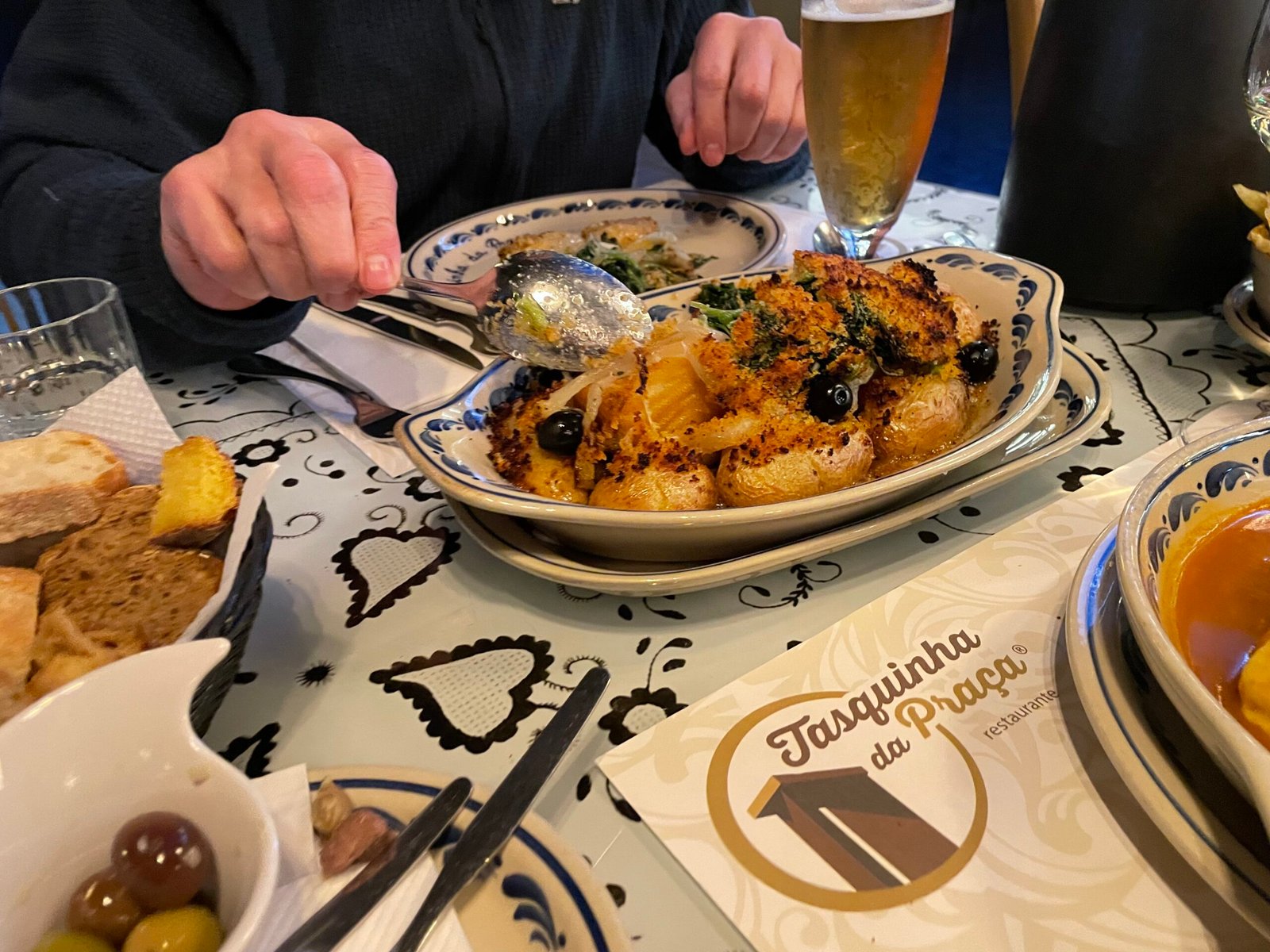
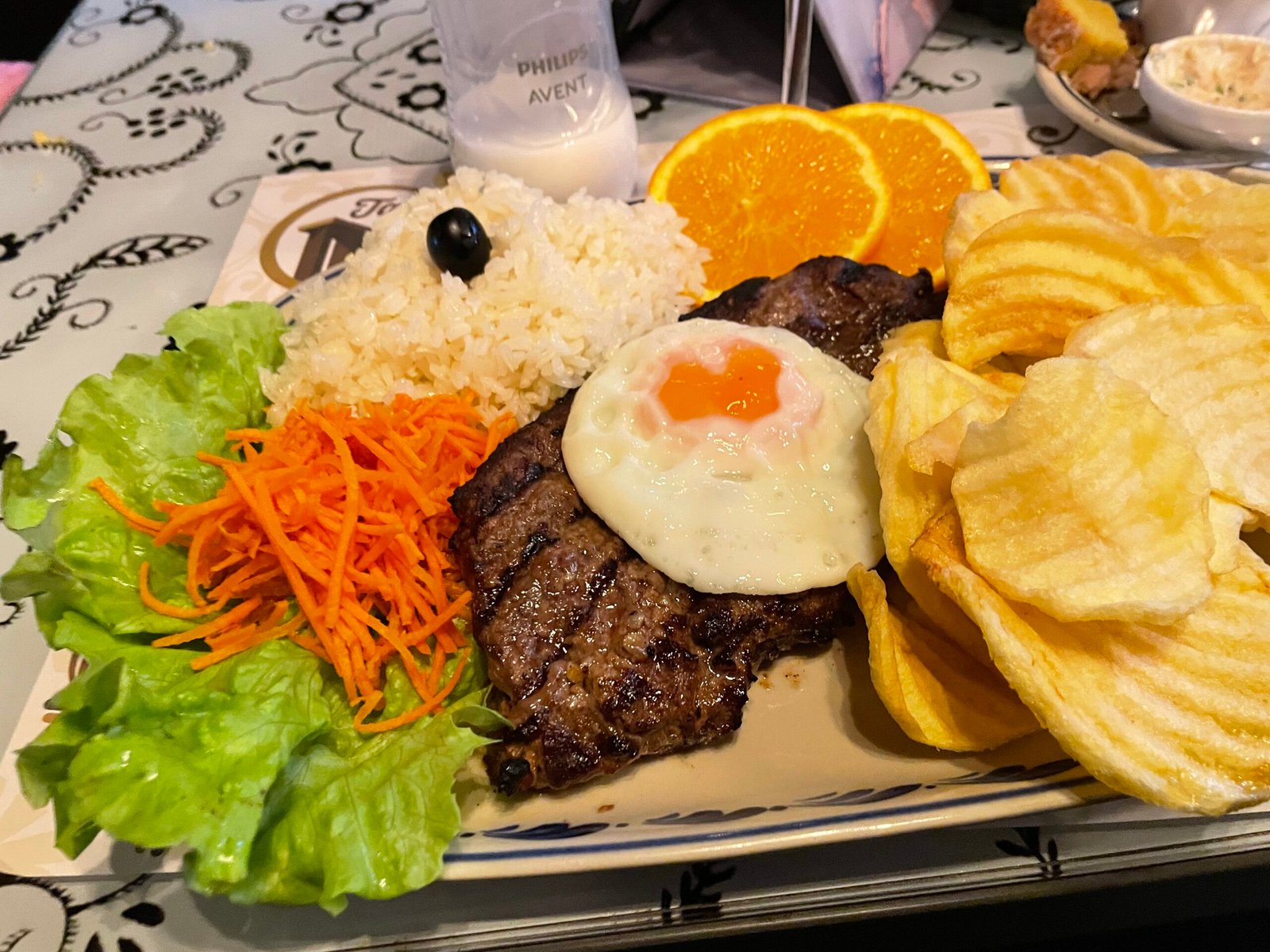
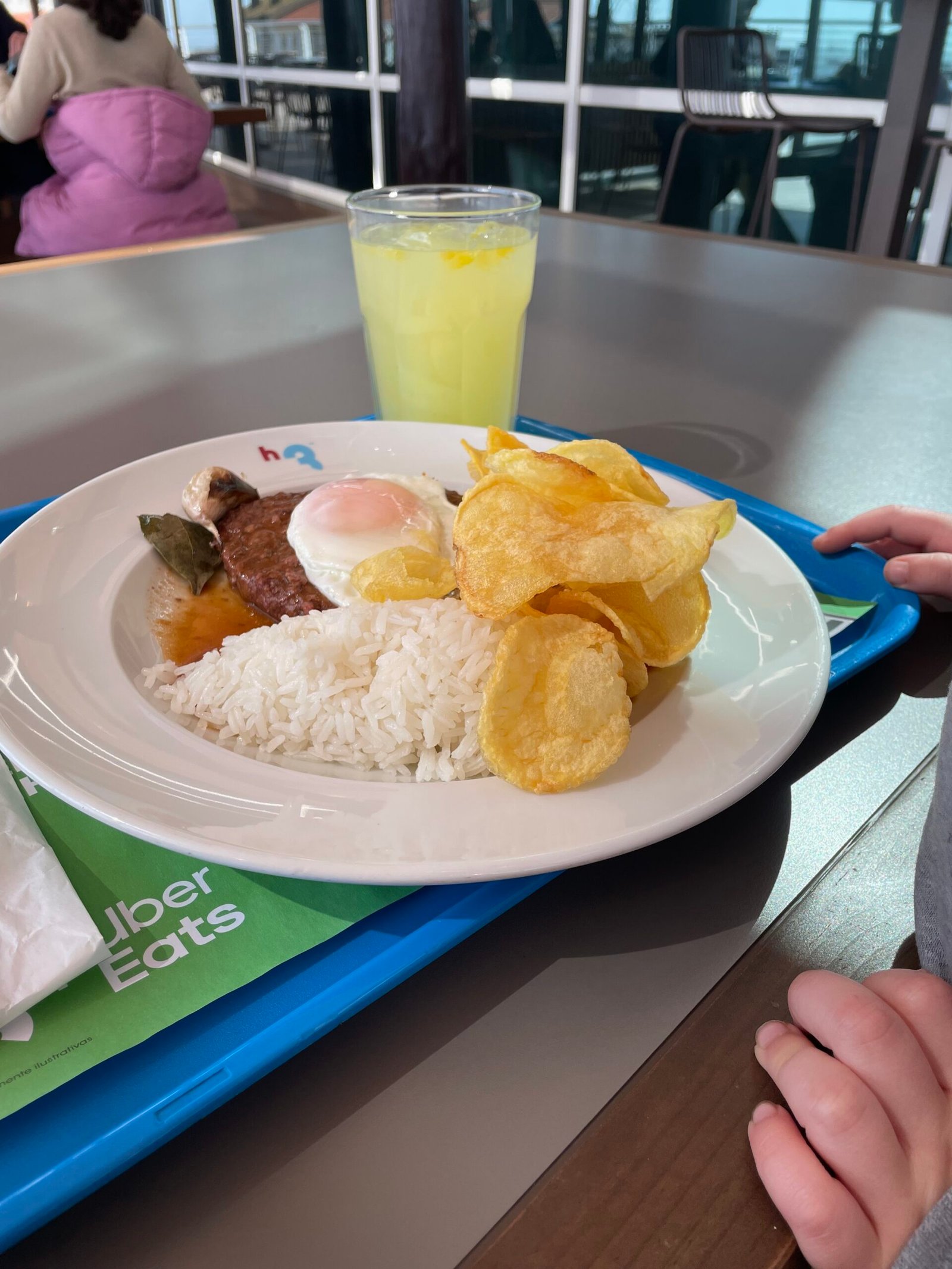
Just how ‘traditional’ food in the States varies wildly, so does food in various regions around Portugal. I haven’t gotten to try a lot of regional specialties, as we’ve mainly been staying in the northern regions of Portugal (although we are headed to Lisbon soon–stay tuned for my impressions!). One thing I can say with certainty, though, is that the Portuguese LOVE their french fries! And not the pre-frozen variety served in a McDonalds, either. Most of the mounds of fries served with everything from sandwiches to soup to steak are made in-house, fresh every day.
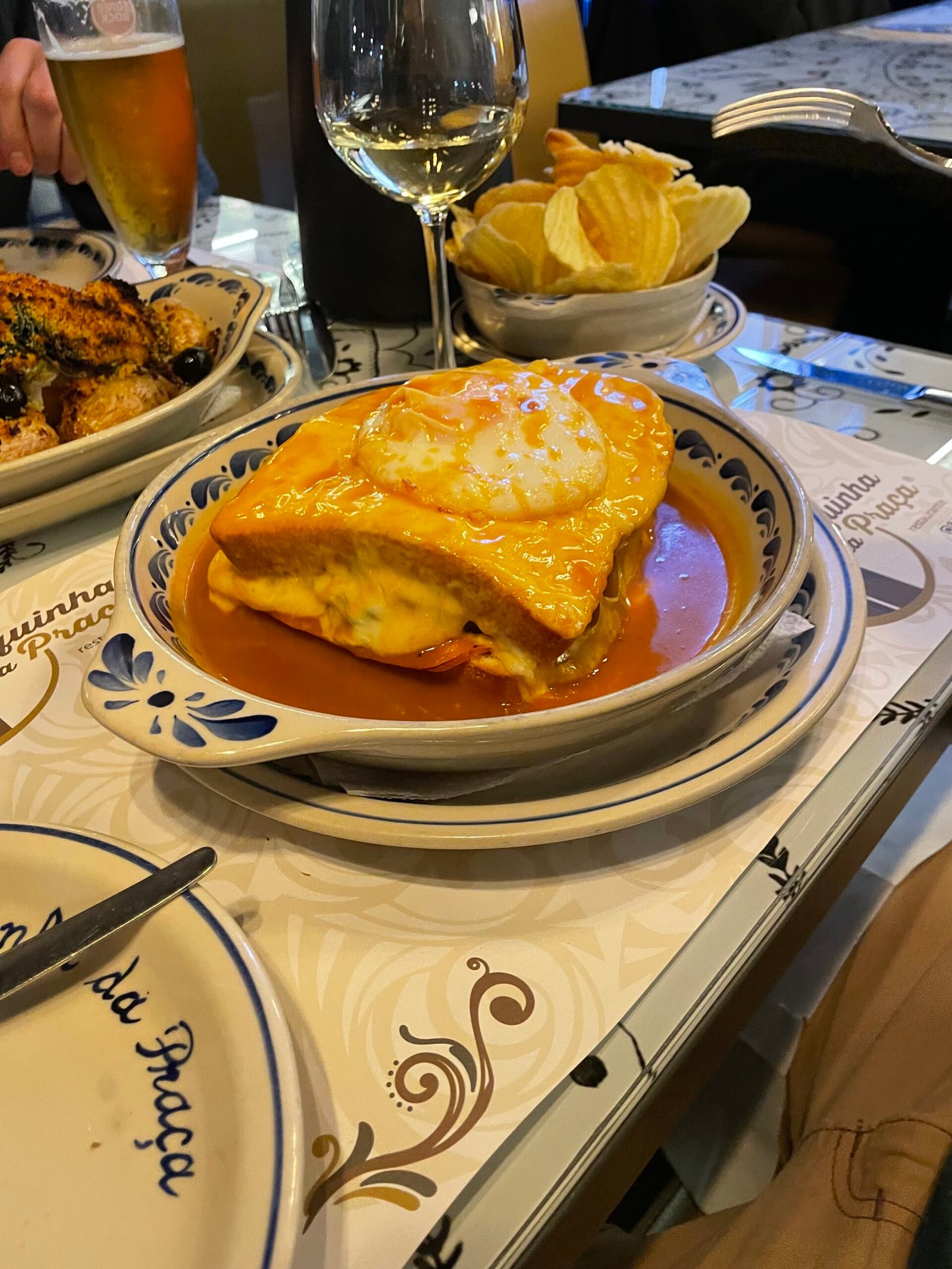
I love all the sandwich options around us! Already, I’ve had sandwich combinations I didn’t know existed. Francesinha, a common treat around here, is a sandwich filled with hamburger or steak, as well as salami and other lunch meats and cheese, and then smothered in a sweet tomato gravy, baked in an oven. It’s served with a fried egg on top, along with extra gravy and enough fries to send anyone into complete caloric overload and a food coma. Obviously, in a seaside town, there are a lot of fresh seafood dishes, though I’ve not observed them to be any less expensive than in the States.
T is in a picky toddler phase, but he enjoys the fries and obligatory spaghetti on most menus. F loves cheese, ham and fries, as well as a local vegetable bisque we buy from the grocery store. Overall, I think they’re going to be big fans–when they’re older!
One thing I have observed; the food here, though flavorful, isn’t very spicy at all. Even foods notorious for heat in the USA, such as Indian curries, barely leave my lips tingling. So if you are a spice fiend, chasing the running eyes and flaring nostrils of a capsaicin high, I’m fairly sure you won’t find that here.
What restaurant options are available near you?
Even though the town around us isn’t large by American standards, there are a huge variety of small, family-run restaurants near us, many within walking distance. There’s sushi, Brazilian, American (Burger King), Indian and Mediterranean, though I think our favorite is an Italian spot overlooking the river. The folks there are so sweet to the kids and are very happy when they eat their whole mini-pizza (which is a medium-sized USA pizza). Anyone coming to visit us be forewarned–we are going to take you there!
What is shopping for groceries like near you?
Two things stick out to me. First, you can buy almost anything here that you can in the States–there just isn’t the endless line of options. For example, Skippy is the only easily-accessible peanut butter here and that’s because there’s a production plant in Egypt (who knew?). Honestly, I don’t mind having a finite group of options. Choice in the States can be overwhelming. I don’t have to choose between Jif or Peter Pan or Aldi brand. Just Skippy.
The second thing is that fruits and vegetables aren’t uniformly perfect, like they are in grocery stores in the States. Long lemons, cartoonishly-oblong onions, squat celery–I mean, they taste just the same, right?
What is the best time of year to visit northern Portugal?
According to various sources I’ve read, it really depends on what you want to experience and how big your travel budget is. June, July and August are prime beach-going months and there are a lot of cool cultural festivals in June, but airline tickets are more expensive and it will be hot. November, December, January and February will be colder and more rainy up in the northern regions but tickets and hotels are way cheaper. I’ve greatly enjoyed March so far! Most days, the temperature is warm but not hot.
Have you made any friends yet?
We haven’t gotten out and about much in the community yet, since it’s the wrong time of year for festivals. We’ve met a couple lovely fellow-Americans at the playground though! People are very friendly overall, though the language barrier can be tricky. It’s pretty common for people to smile and wish you ‘Bom Dia!’ (good day) as you walk past them in the streets.
Is there any animosity towards people from the States?
Not that we can detect. That is probably because this is not a hot-spot for immigration. I’ve heard from various posts on YouTube and other social media that hostility towards Americans is rising in heavily-favored areas like Lisbon and the Algarve. Wealthy Americans have a reputation of buying up multiple properties and turning them into rental houses or AirBnB’s for high prices, effectively shutting out local folks from buying houses. This creates some tension. But around here, people seem to be either curious or indifferent. We’ve gotten several questions of ‘Why did you move to Viana do Castelo?’ from various people in restaurants or stores. When we told them it was because of how beautiful it was, every single person beamed and started telling us that Viana do Castelo is the MOST beautiful city in all of Portugal and obviously the best.
How are the kids adjusting? What is their favorite thing about the new house?
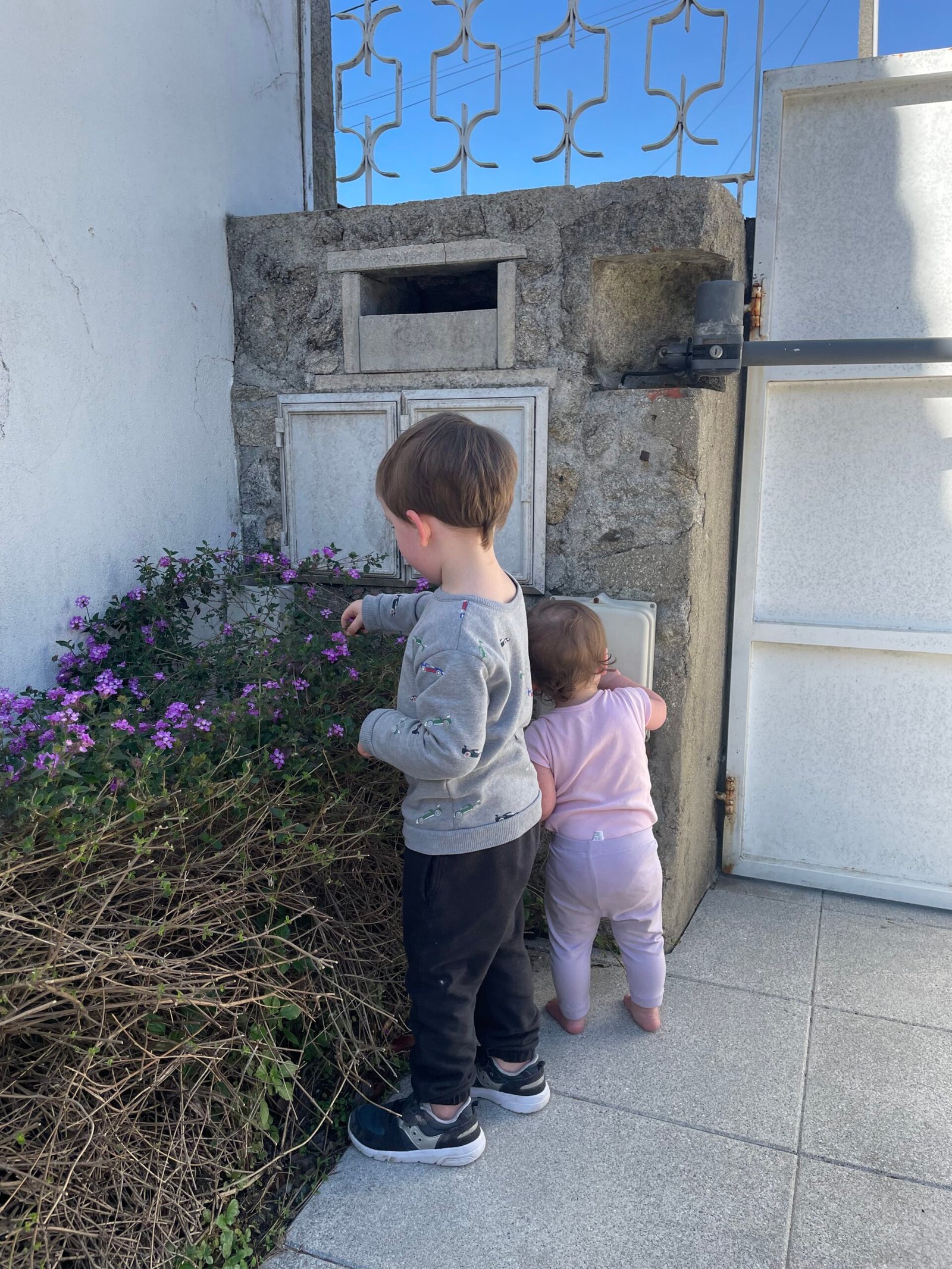
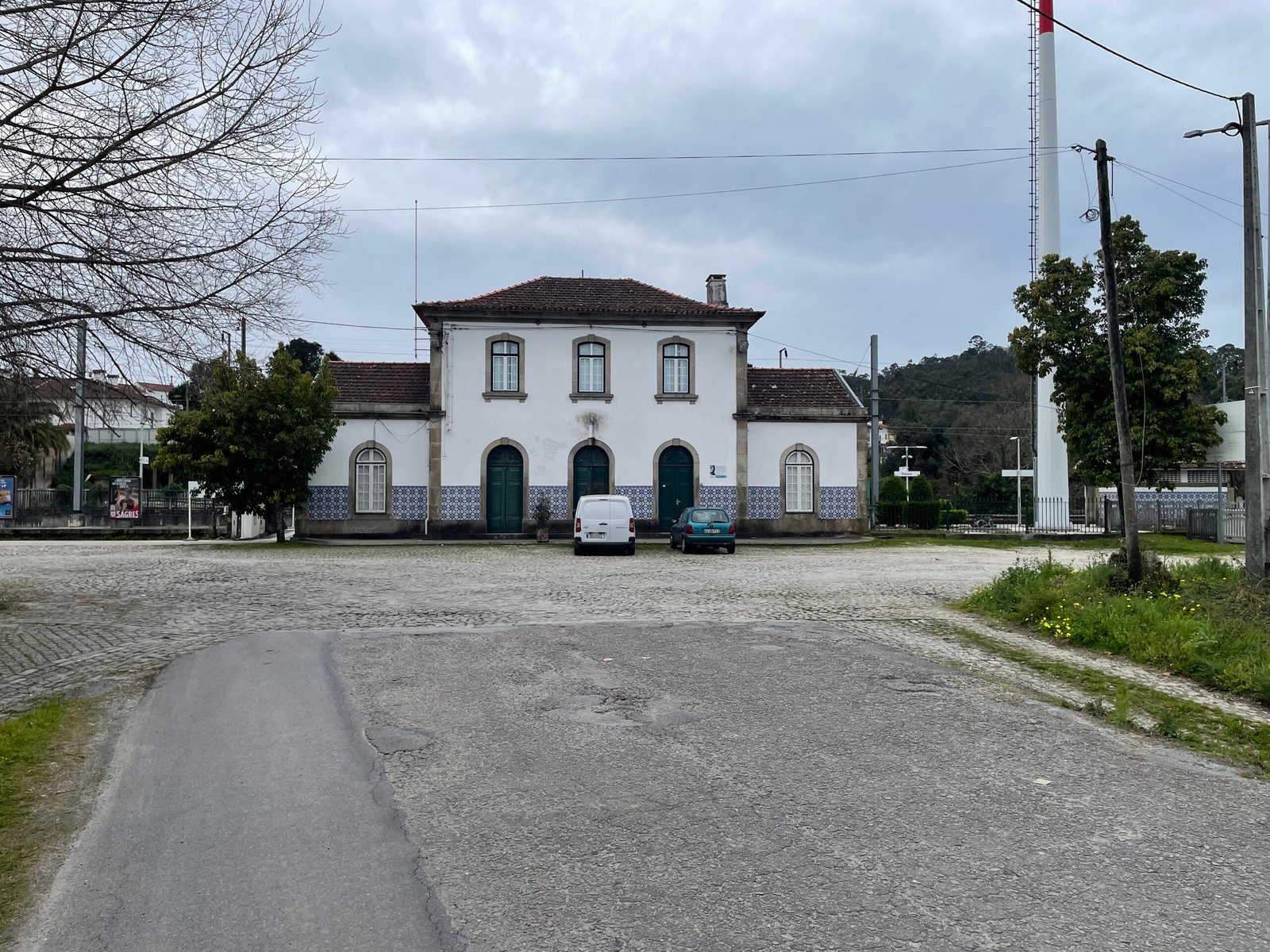
T and F seem to be adjusting well to life in Portugal! Of course, T misses his old house and friends but enjoys many aspects of the new house, such as the courtyard, orange trees, little lizard friends who scuttle between walls, and a playground within walking distance. He enjoys watching the buses stop outside our house and let passengers off and on. There’s also a train within hearing range (and what little boy isn’t excited about that?).
That’s all for now! Thanks to everyone who posed a question. It really helps dispel a lot of the writer’s block.
In my next post, I should be covering our first trip to Lisbon, along with some activism (and what American political issues look like in Portugal), along with sandwich tastings!
Ciao!

One comment
Thanks, Anna, for sharing your experiences. I loved reading this!